Multimedia Installation: Shower Me with Affection_Showcasing at Exhibition What You Hear When I Say Gro
13. May 2024


Chang Gao ECG heart rate / Film interactive installation Shower Me with Affection, ECG heart-rate sensor, film, and interactive sculpture Book of Disquiet
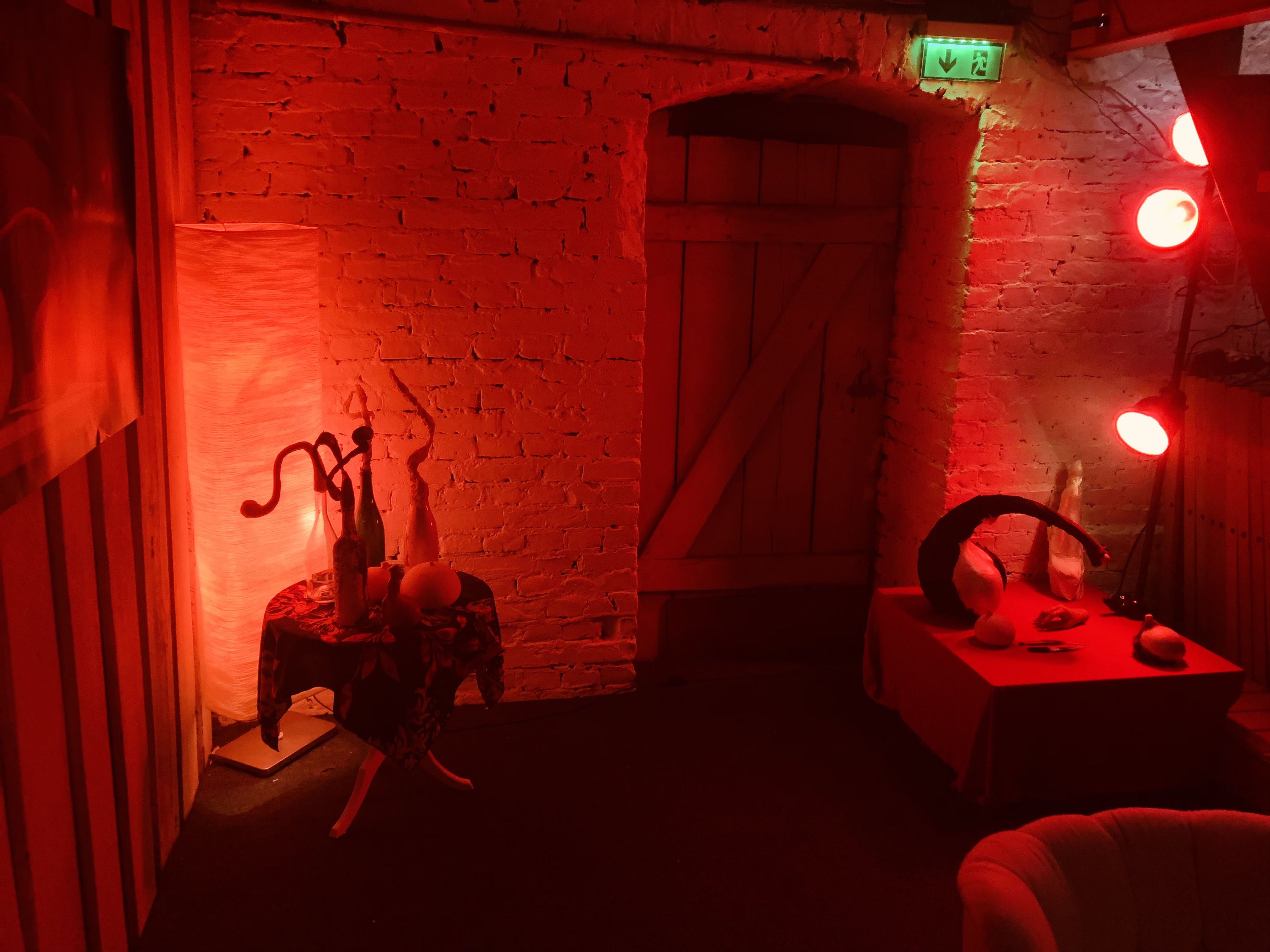
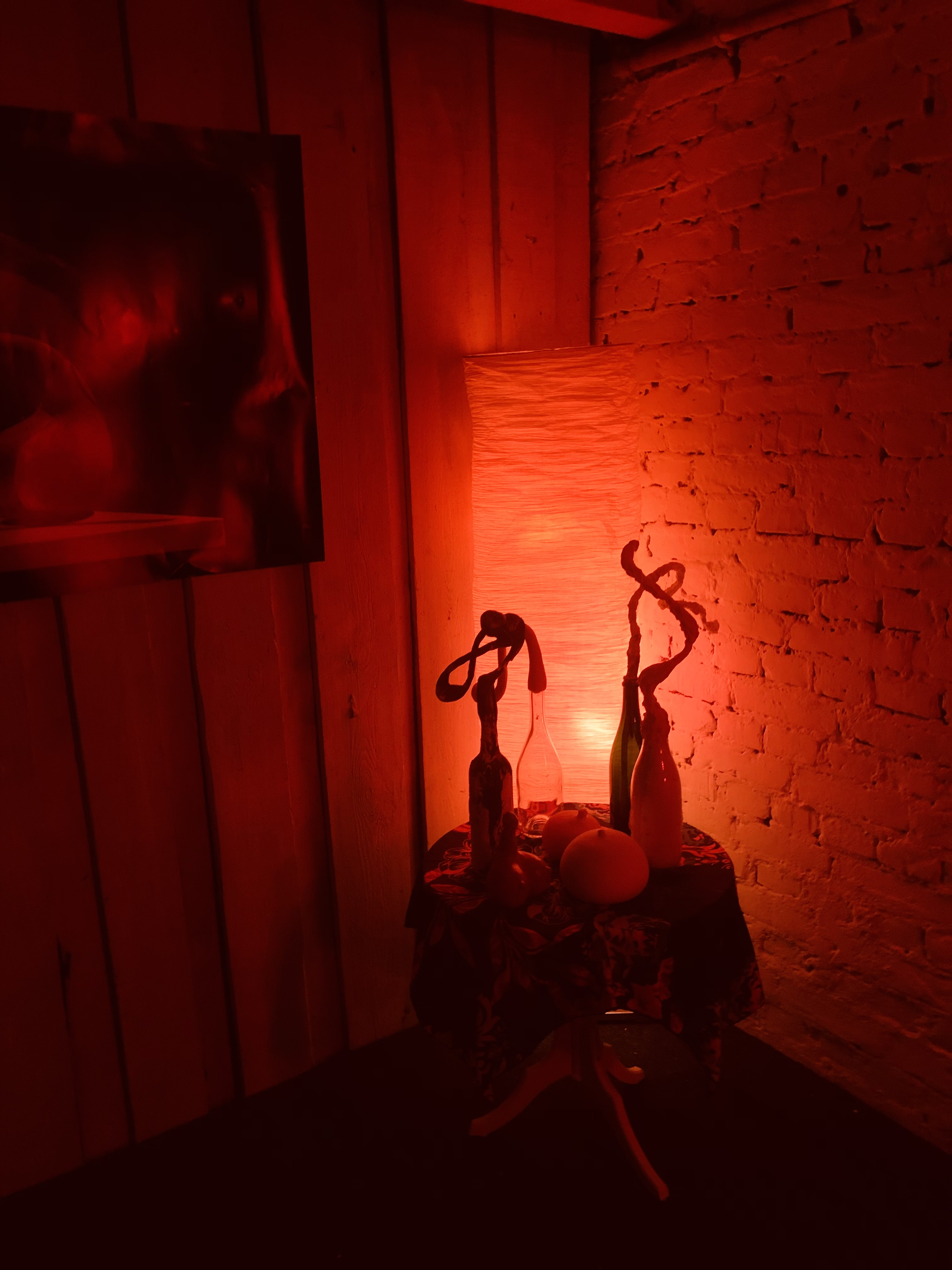

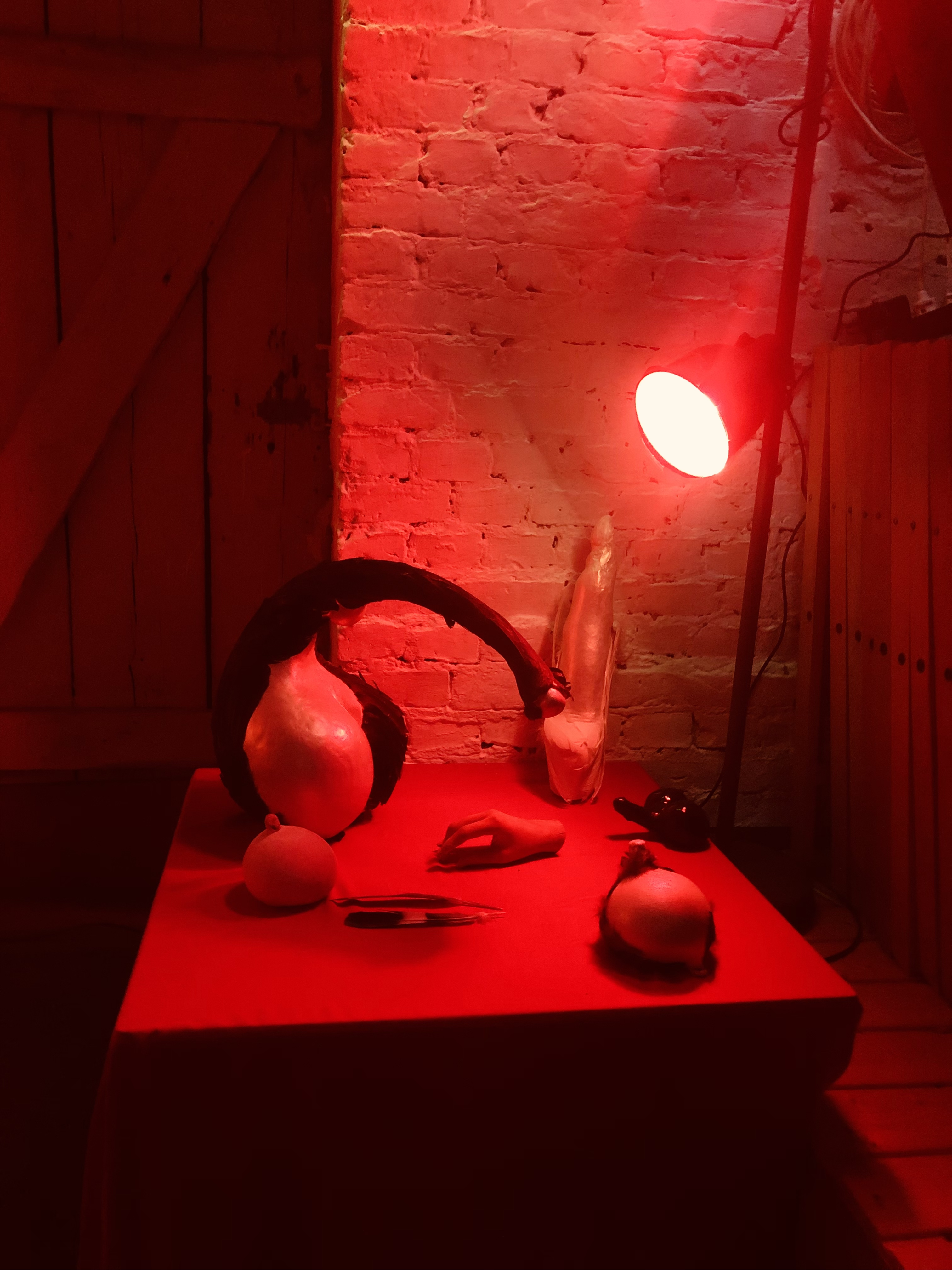
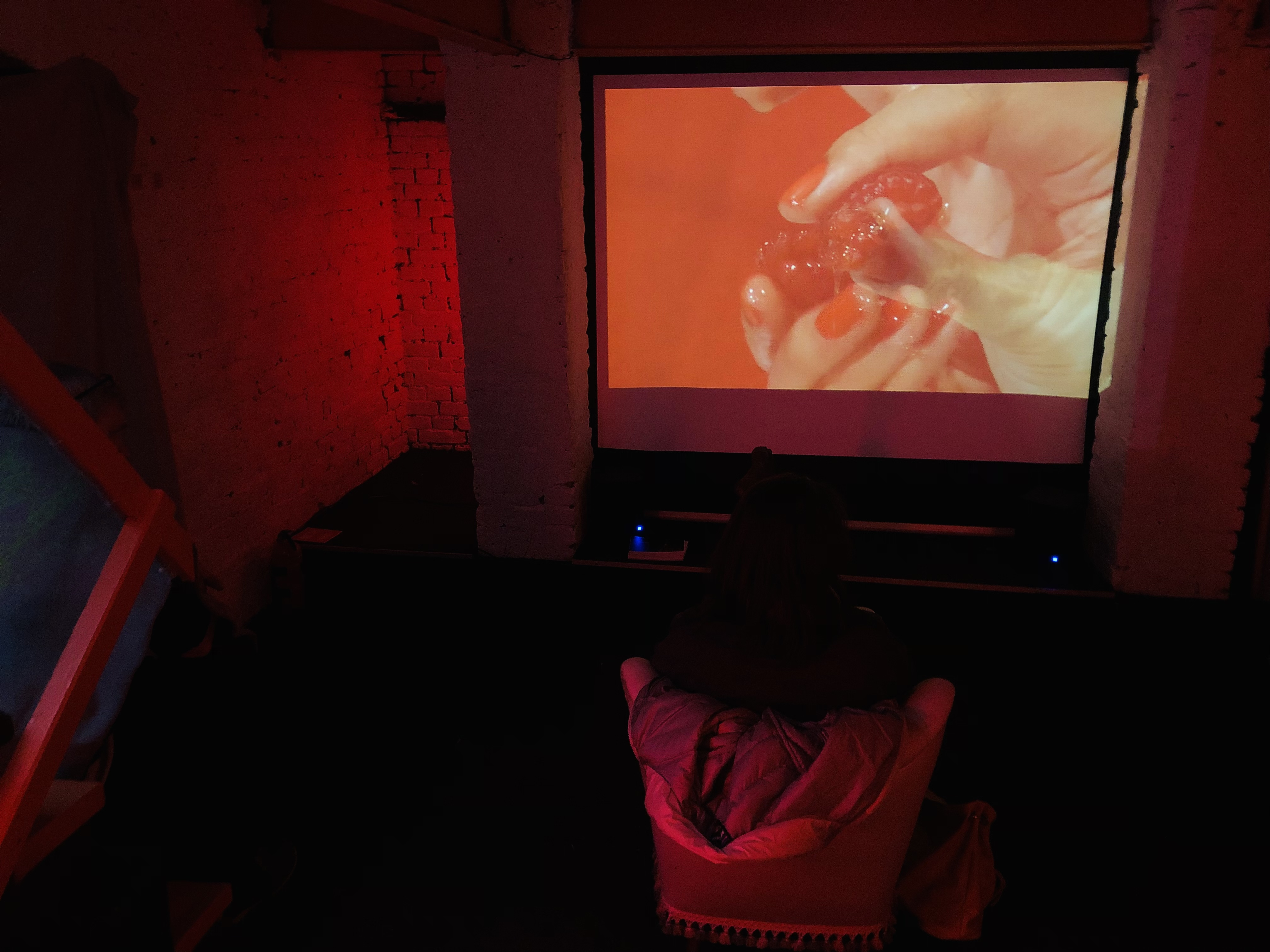

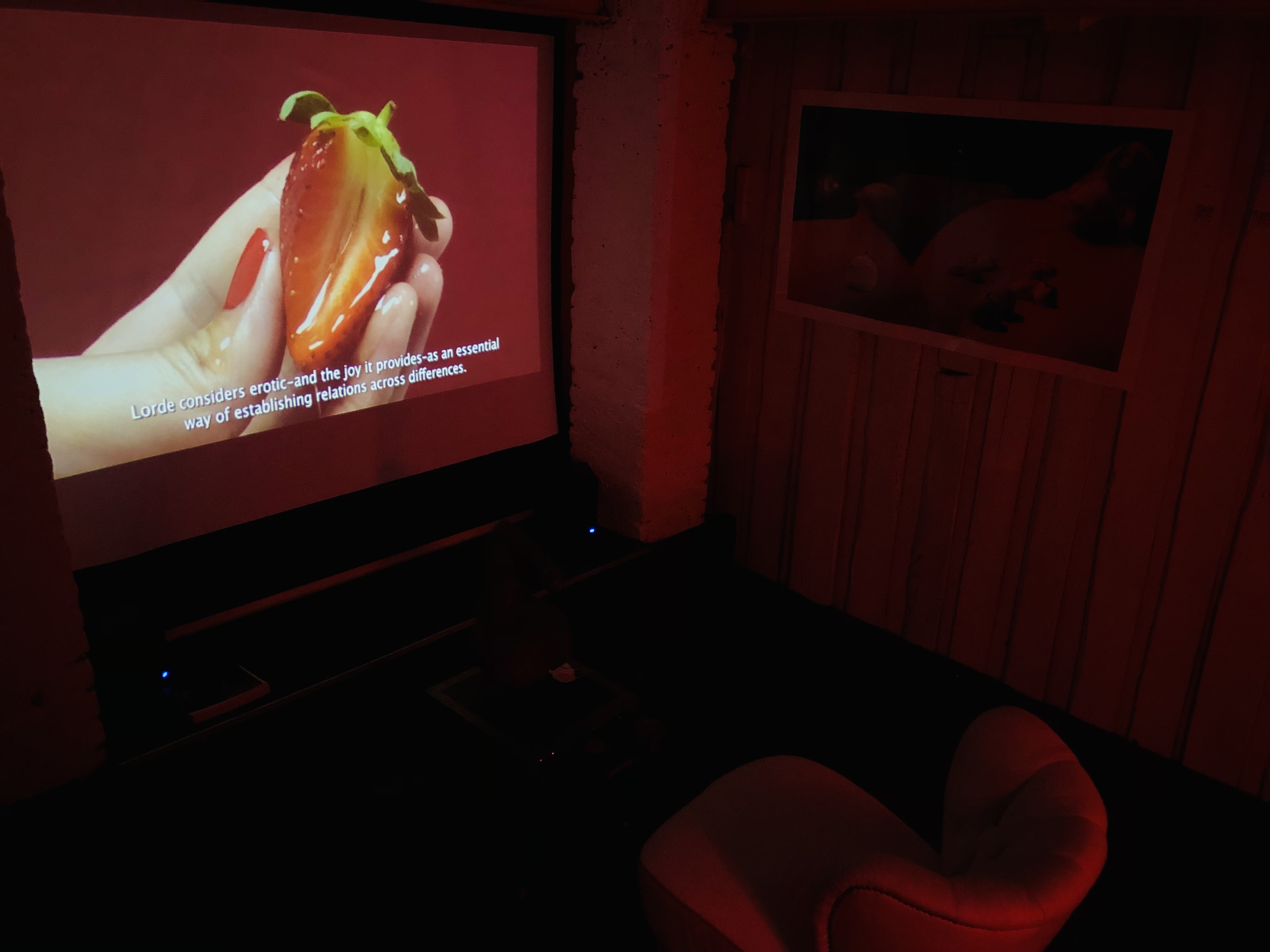
Exhibition: WHAT YOU HEAR WHEN I SAY GRO
Opening: 26.04, 18:00–21:00
Location: ((N.Y.T)) art space, Philippistraße 7, 14059 Berlin
Performance: Chang Gao + Elo Masing @kakaduuart on opening night at 19:30
Exhibition Duration: 27.04–28.04, 15:00–19:00
Exhibiting Artists: Chang Gao, Mette Bjørndal, Florian Huber, Jens Keller
I’m pleased to invite you to the opening of WHAT YOU HEAR WHEN I SAY GRO at ((N.Y.T)) art space. The exhibition explores how meaning is created, misinterpreted, or obscured—particularly in relation to speech, embodiment, and affect. On the evening of April 26th, I will present a new collaborative performance with Elo Masing titled Can You Feel My Love, merging sculpture, sound, film, and live instruments.
My contributions to the exhibition include three works:
-
Shower Me with Affection: an interactive ECG heart-rate sculpture/film installation
-
Book of Disquiet: a real-time biofeedback sculpture
-
Erotic Poetics: an Augmented Reality interface exploring desire and language
Under the shifting political tensions both within and beyond Germany, I warmly invite you to join this collective moment of resonance, vulnerability, and embodiment.
On Book of Disquiet: Desire, Surveillance, and Physiological Expression
During the exhibition, I showcase the heart-rate installation Book of Disquiet, that involves an ECG heart-rate monitor, moves and shakes differently according to the viewer’s heart rate when they watch my film within the heartbeat-interactive installation Shower Me with Affection (see Figures 2.1.1-2.1.3). When the work is situated within a public space, different movements of the sculpture symbolise different states of excitement in the audience, which can be regarded as a form of non-symbolic/non-linguistic representation. Depending on the different environments in which the work is viewed, whether city streets or art galleries, Book of Disquiet shakes dramatically, with two motors making the whole body of the sculpture move. Some participants have felt that the movement of the sculpture is odd and unnerving. The spatial environment significantly influences the relationship between the heartbeat and the movement of the sculpture, the heartbeat going faster than the conscious mind observes.
When the viewer’s heartbeat is between 60 and 80 beats per minute (bpm), a relatively calm mode, the front part of the sculpture moves slowly (three rotations per minute) up and down; if the viewer’s heartbeat ranges between 80 and 120 bpm, the second motor (between the neck and the body) ascends and descends in a relatively faster mode (six rotations per minute). Once the heartbeat rises to 120 to 140 bpm, the sculpture shakes significantly, with two motors making the whole body of the sculpture shake. If the heartbeat is below 60 bpm or above 140 bpm, it can indicate false data, so the sculpture stops moving.
In contexts like China, where people are often politically conditioned to suppress dissent or critical opinions, conscious self-expression is heavily constrained by social, cultural, and ideological pressures. This makes it difficult to openly access or articulate genuine feelings, especially in public space. By using supernormal stimuli in public artworks to evoke desire and affect, and by integrating physiological sensors that register involuntary responses such as heartbeat, my project bypasses the filters of conscious self-censorship. The altered movements of the sculpture in response to the viewer’s heartbeat function as a subtle but legitimate form of consultation—revealing unconscious bodily reactions that cannot be easily controlled or silenced. In this way, the artwork opens a channel of communication that challenges hegemonic structures not through direct confrontation, but by making visible the emotional and physiological dimensions of public experience.
Sound Performance Can You Feel My Love? at NYT Art Space, Berlin